
Generate Income through Carbon Offset
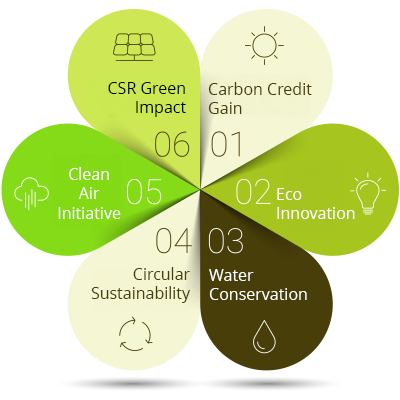
Turn your sustainability initiatives into measurable financial value by earning carbon credits from scientifically designed Miyawaki forests.

Achieve UN ESG & BRSR Goals
Align with global and national sustainability frameworks, strengthening your Environmental, Social, and Governance (ESG) performance while meeting BRSR compliance.

Reduce Carbon Footprint
Proactively lower your organization’s environmental impact by creating dense, native forests that act as natural carbon sinks and promote long-term ecological resilience.
At HARMONY we specialize in creating dense, native, and self-sustaining green ecosystems through the Miyawaki Forest method — a proven, science-based approach to rapid afforestation and biodiversity restoration.
“Creating sustainable places that minimize carbon footprints and restore harmony with nature.”
To Help corporates and industries translate their sustainability commitments into measurable, visible impact.
The Miyawaki method is a scientifically proven technique of creating dense, native, and self-sustaining forests in a short span of time. Developed by Dr. Akira Miyawaki, a Japanese botanist and ecologist, this method focuses on restoring natural ecosystems by planting a diverse mix of more than 40 indigenous species that naturally coexist in the region. Unlike conventional plantations, Miyawaki forests grow 10 times faster, are 30 times denser, and support a far greater level of biodiversity. The process involves detailed soil preparation, selection of native species, dense plantation, and initial nurturing for 1 year until the forest becomes self-sufficient. The underlying theory emphasizes natural succession, soil health restoration, and biodiversity balance, resulting in a resilient ecosystem that improves air quality, sequesters carbon, and revitalizes local microclimates — making it a practical solution for both carbon offset initiatives and urban greening.
Who We Are?
Ms. Shreya Dalwadi ( Director )
– B.Arch, M.Plan-URP, ACW, UMTCC(Urban Management Tools for Climate Change)
– Currently Chairperson of India Green Building Council (Vadodara Chapter)
Ms. Shreya is a qualified architect and town planner. She is green development specialist and a URBAN FOREST CONSULTANT. She is the director of HARMONY, professional practice based at Vadodara, which specializes in ‘Net Zero Carbon’. Her company is one-stop consulting solution for industries. She has been able to successfully design and implement ‘low carbon footprint’ campuses, in recent years. She is an architect and urban planner having 20 years of experience in professional consultancy, research and teaching.
She has received various national and international accolades for her professional work including the ‘Green Architect’ international award from IIA-JK Cement, ‘Green Design’ award by HUDCO Government of India, ‘Only Asian-female sponsorship’ from Govt. of Netherlands, She has been an advisor to the VMSS, she also touches upon norms and guidelines of smart city planning. She has also conceived and contributed to ideas of ‘Smart City Vadodara’ and ‘million tree mission vadodara’
Our Team
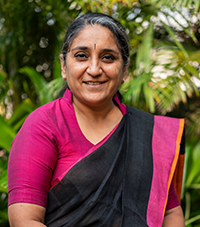
Director
Director

Associate Architect

Interior Designer

Architect

Architect

Architect

Architect
Civil Engineer
Supervisor
Supervisor


Marketing & Lead Manager
Office Assistant
Miyawaki forests play a pivotal role in the rural socio-economic transformation by addressing fuel, fodder, timber, and ecological security. It creates opportunities for income generation through the sustainable harvesting of timber, non-timber forest products (NTFPs), and eco-tourism.
Miyawaki forestation directly supports UN SDG Goal 15: Life on Land, which focuses on protecting, restoring, and promoting sustainable use of terrestrial ecosystems
The high density of trees offered by Miyawaki forestation technique Works as a CARBON SINK in urban settlements, directly contributing to Net Zero and climate goals.
The Miyawaki method emphasize on planting densely and using native species results in forests that grow rapidly, quickly establishing the dense vegetation needed to combat heat. By creating these dense, biodiverse mini-forests, the Miyawaki method offers a practical solution to make urban spaces cooler and more comfortable for residents
Be sure to follow us via social media to keep up with the latest sustainable tips and news.
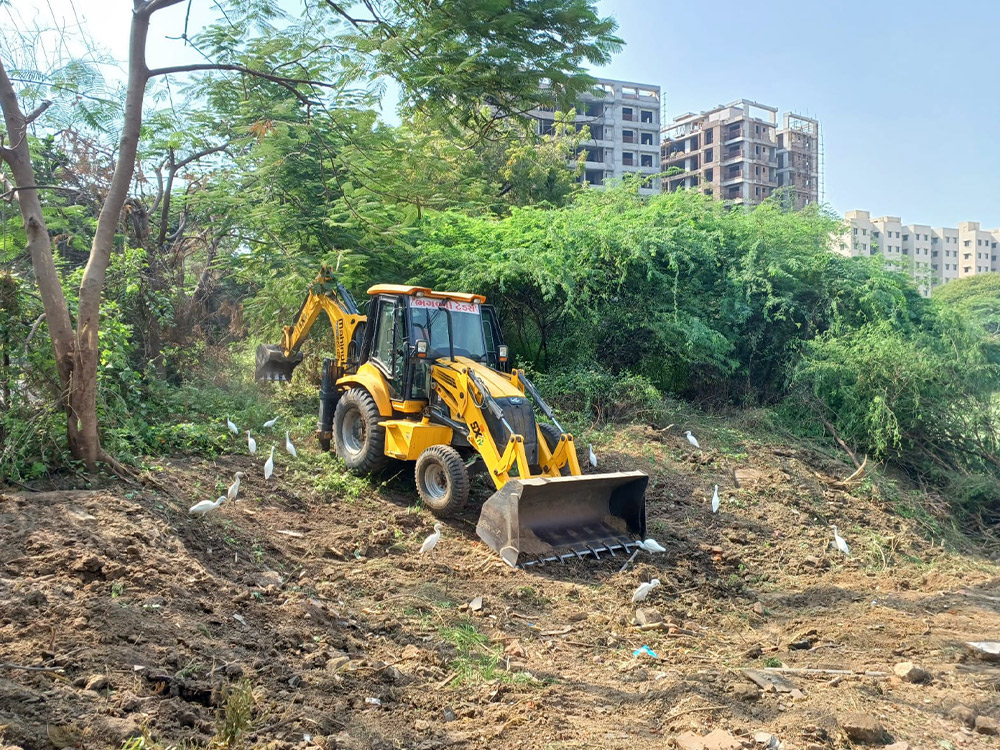
Cleaning
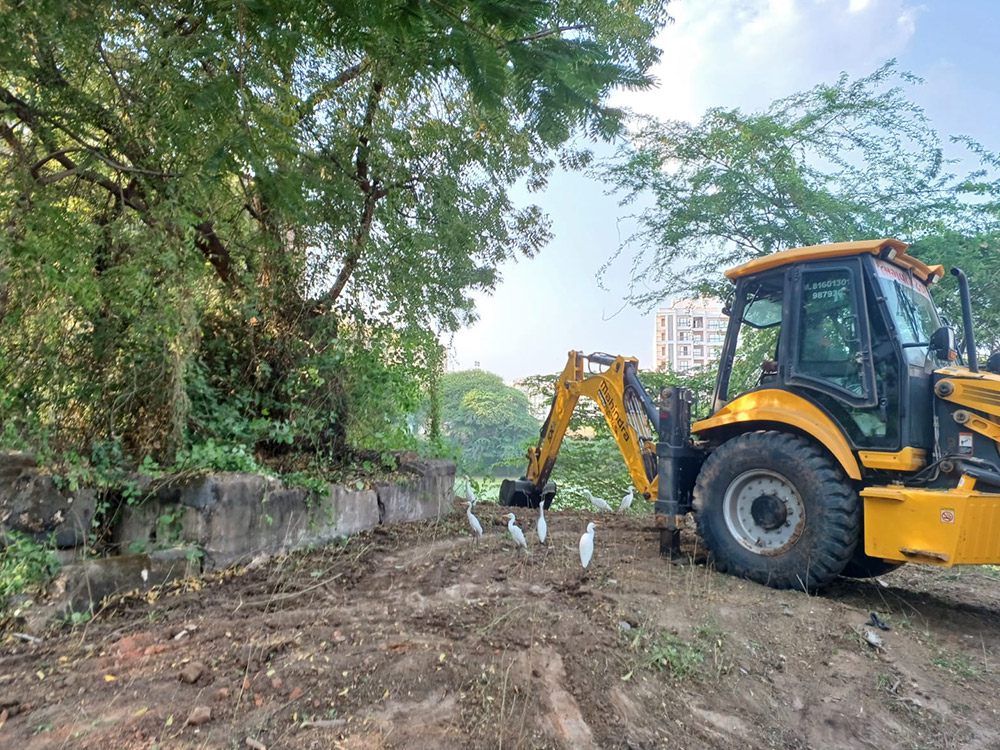
Digging
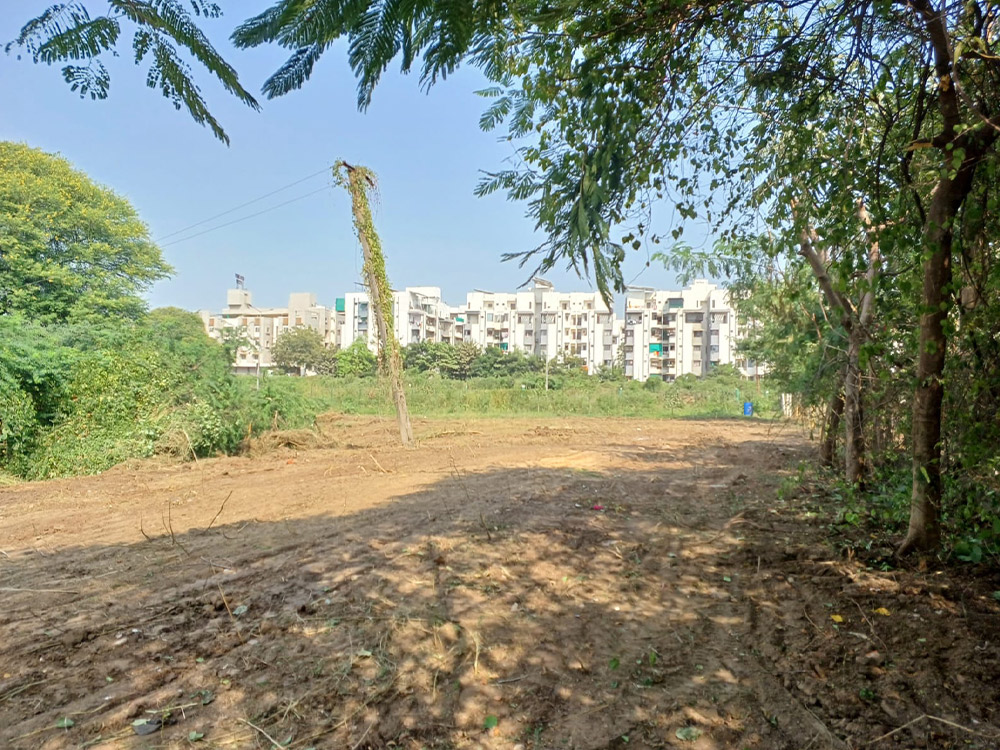
Ground levelling
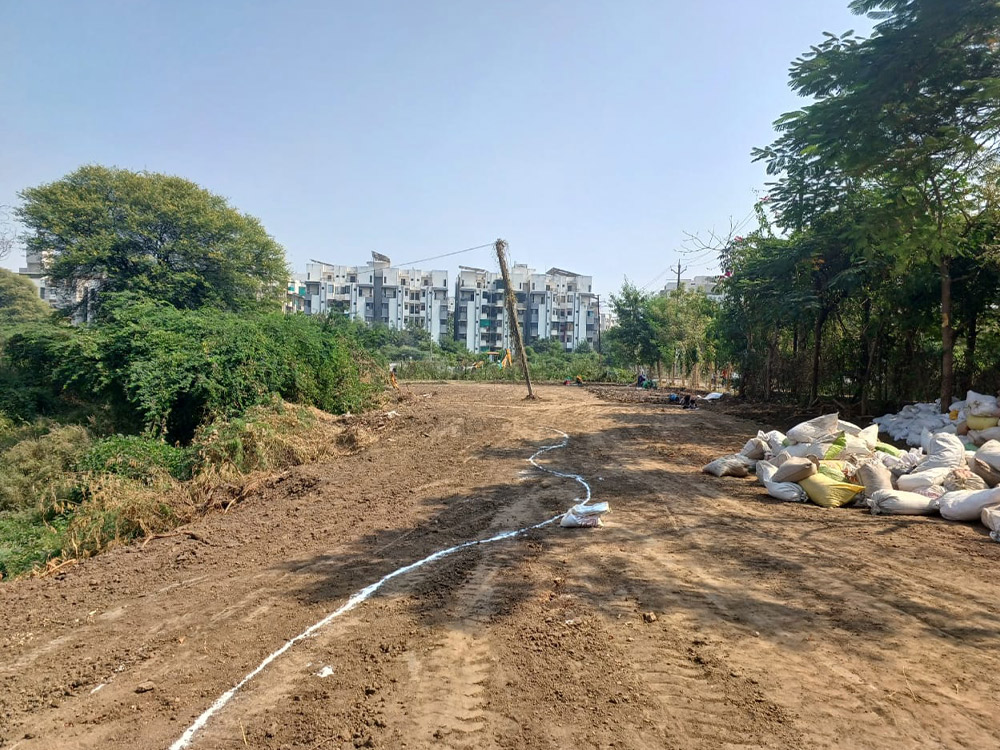
Manure Mixing & Layout Marking
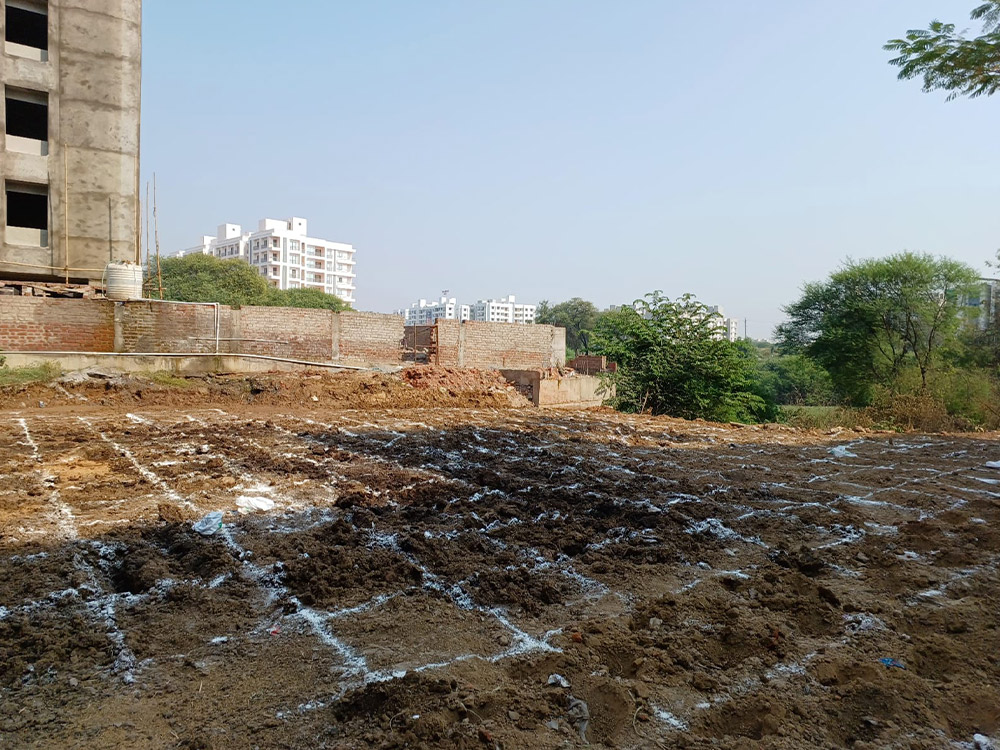
Grid & Pits
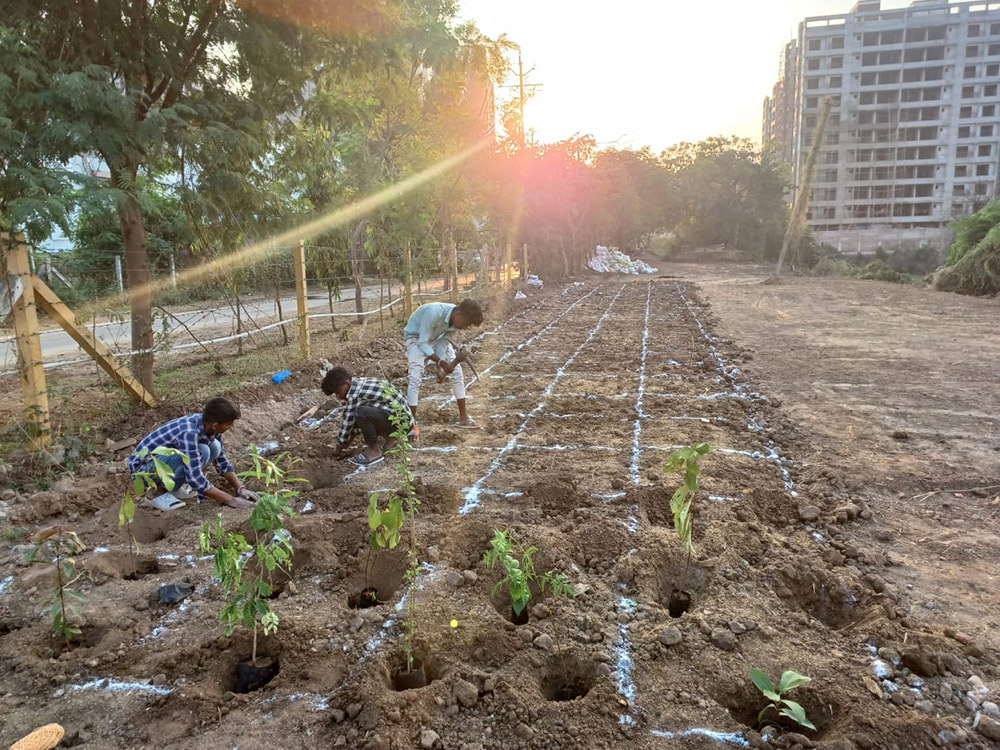
Plantation
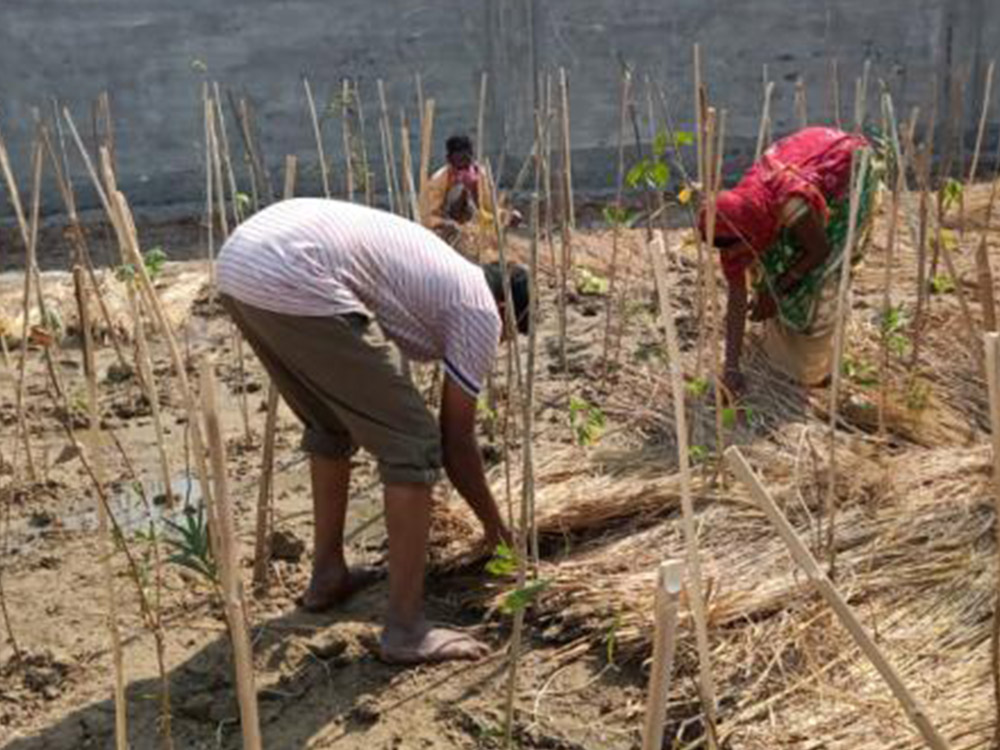
Bamboo supports & Dry Grass Ground Cover
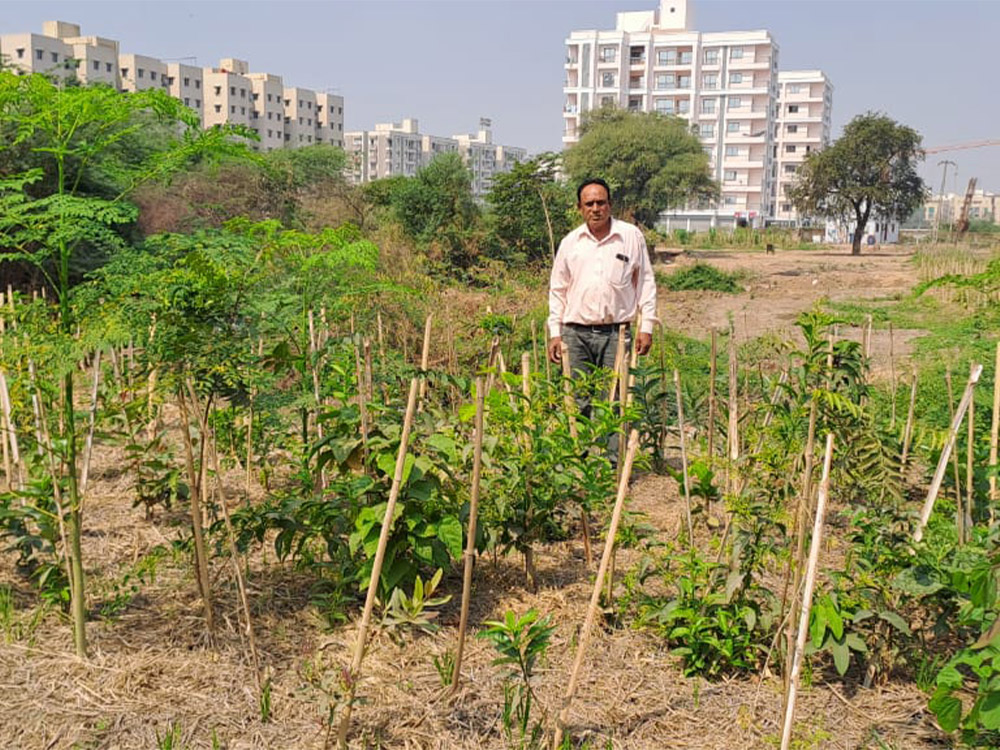
Forest after 3 months
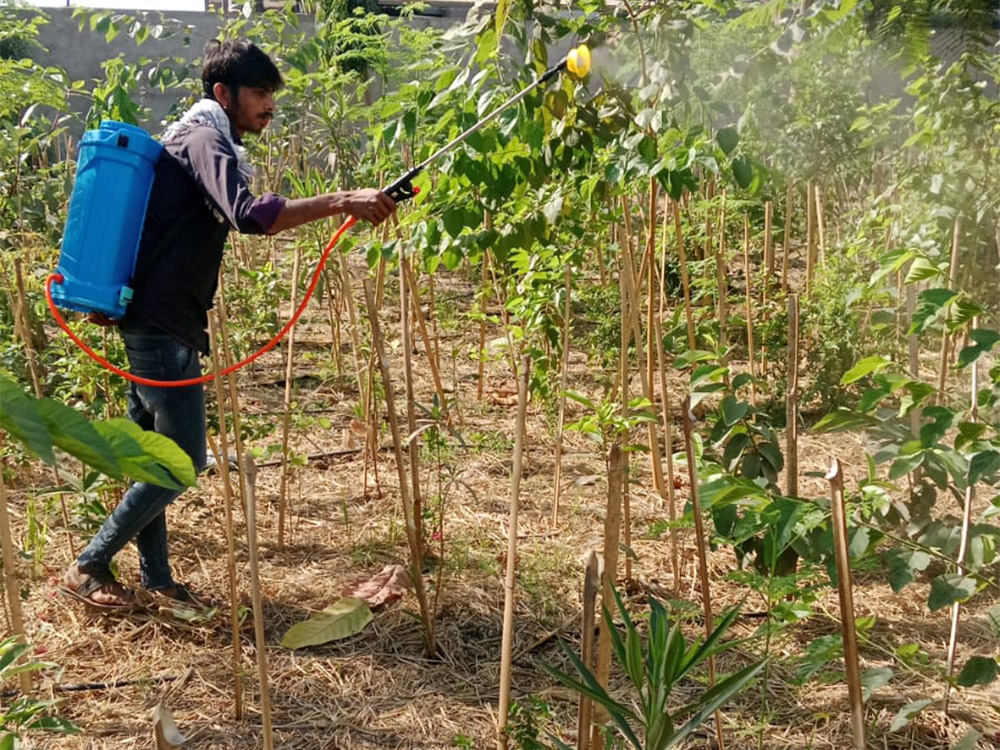
Buttermilk Spray
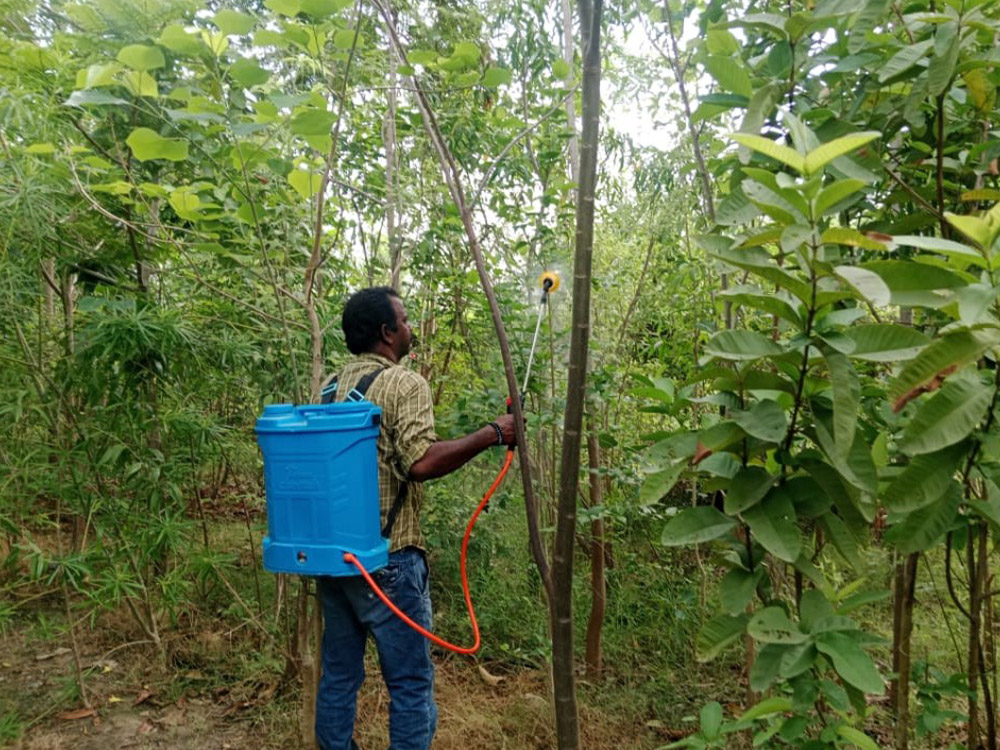
Jeevamrut Spray
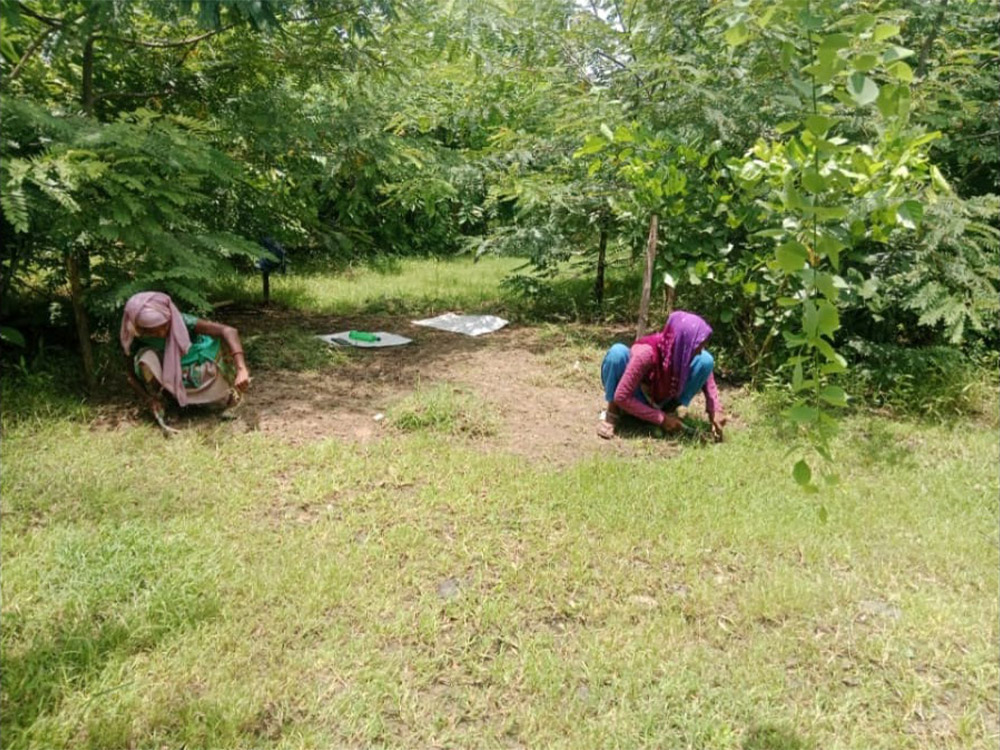
Deweeding